%2Ffit-in%2F250x250%2Fguide_websites%2F32753%2Fimages%2F1749191040174resized-image-promo__4_-removebg-preview.png&w=1920&q=100)
/users/d8ad1360-bdab-4690-a97d-afad24e84079/ratecard/offshore-mmtzzsjd.png)
%2F300x300%2Fusers%2Fd8ad1360-bdab-4690-a97d-afad24e84079%2Fratecard%2Foffshore-mmtzzsjd.png&w=256&q=75)
%2F300x300%2Fusers%2Fd8ad1360-bdab-4690-a97d-afad24e84079%2Fimages%2Fgreat-barracuda-cayman-islands-fishing-2406.jpg&w=256&q=75)
%2F300x300%2Fusers%2Fd8ad1360-bdab-4690-a97d-afad24e84079%2Fimages%2Fyellowfin-tuna-cayman-islands-fishing-2590.jpg&w=256&q=75)
%2F300x300%2Fusers%2Fd8ad1360-bdab-4690-a97d-afad24e84079%2Fimages%2Fstingray-encounter-cayman-islands-fishing-2649.jpg&w=256&q=75)
%2F300x300%2Fusers%2Fd8ad1360-bdab-4690-a97d-afad24e84079%2Fimages%2Fmorning-spirit-fishing-boat-cayman-2459.jpg&w=256&q=75)
%2F300x300%2Fusers%2Fd8ad1360-bdab-4690-a97d-afad24e84079%2Fimages%2Fcayman-islands-yellowfin-tuna-catch-2465.jpg&w=256&q=75)
%2F300x300%2Fusers%2Fd8ad1360-bdab-4690-a97d-afad24e84079%2Fimages%2Fcayman-islands-tuna-fishing-catch-2779.jpg&w=256&q=75)
%2F300x300%2Fusers%2Fd8ad1360-bdab-4690-a97d-afad24e84079%2Fimages%2Fcayman-islands-fishing-charter-encounter-2649.jpg&w=256&q=75)
%2F300x300%2Fusers%2Fd8ad1360-bdab-4690-a97d-afad24e84079%2Fimages%2Fmorning-spirit-cayman-islands-fishing-2459.jpg&w=256&q=75)
%2F300x300%2Fusers%2Fd8ad1360-bdab-4690-a97d-afad24e84079%2Fimages%2Fyellowfin-tuna-cayman-islands-fishing-2533.jpg&w=256&q=75)
Grand Cayman's Premier Full-Day Offshore Adventure
 Grand Cayman
What you will be catching:
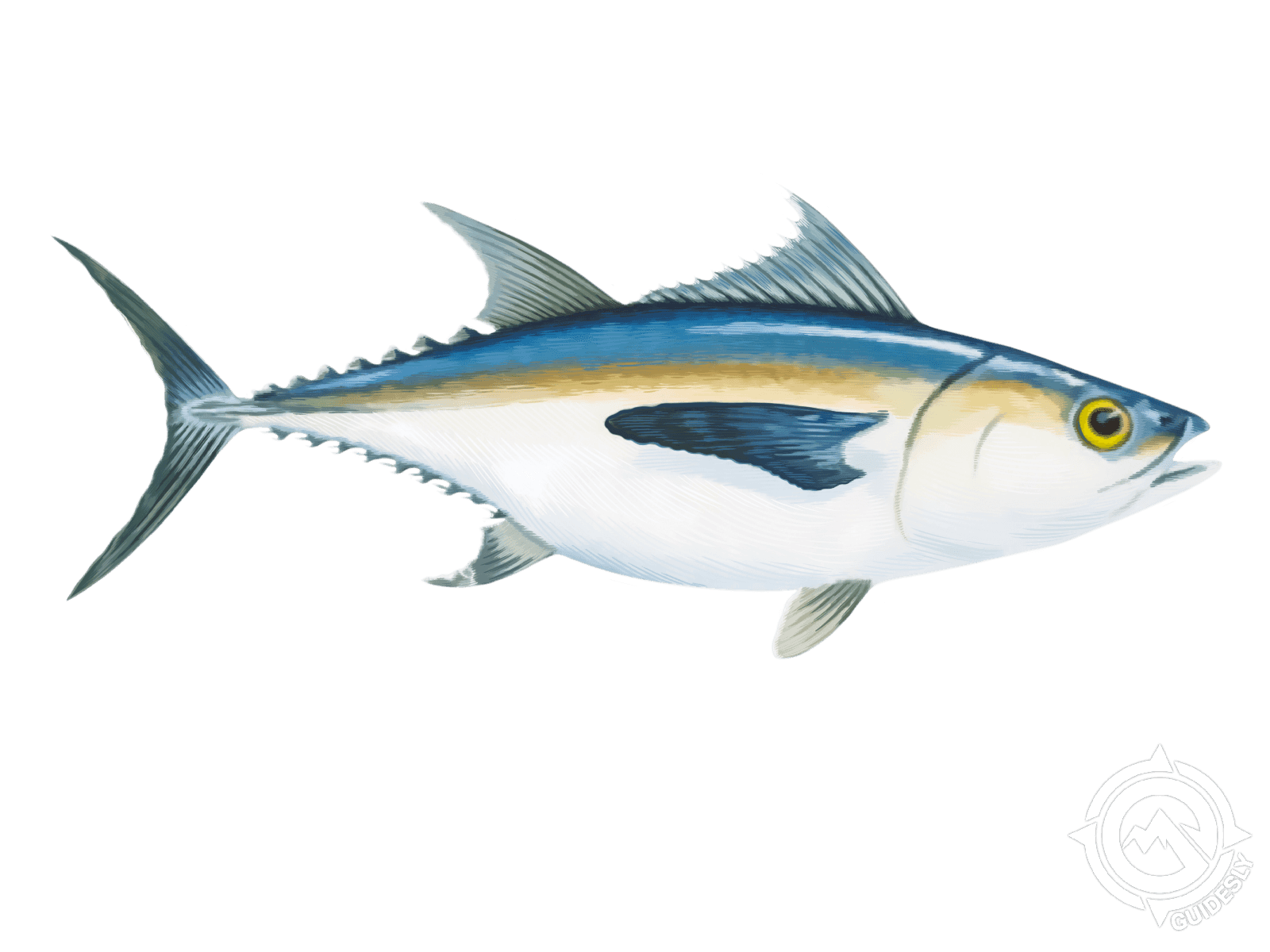
 Blackfin Tuna
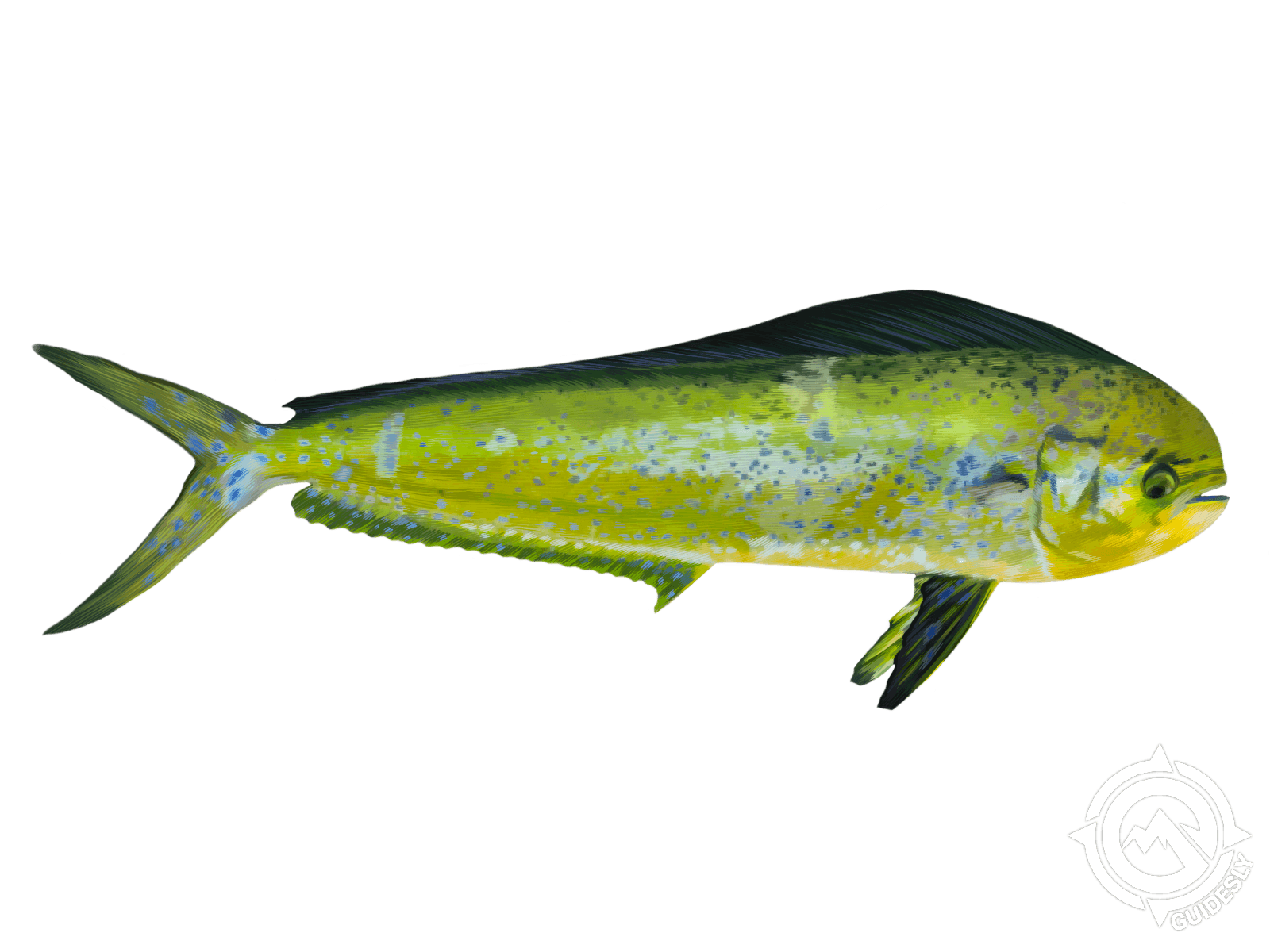
 Mahi Mahi or Common Dolphinfish
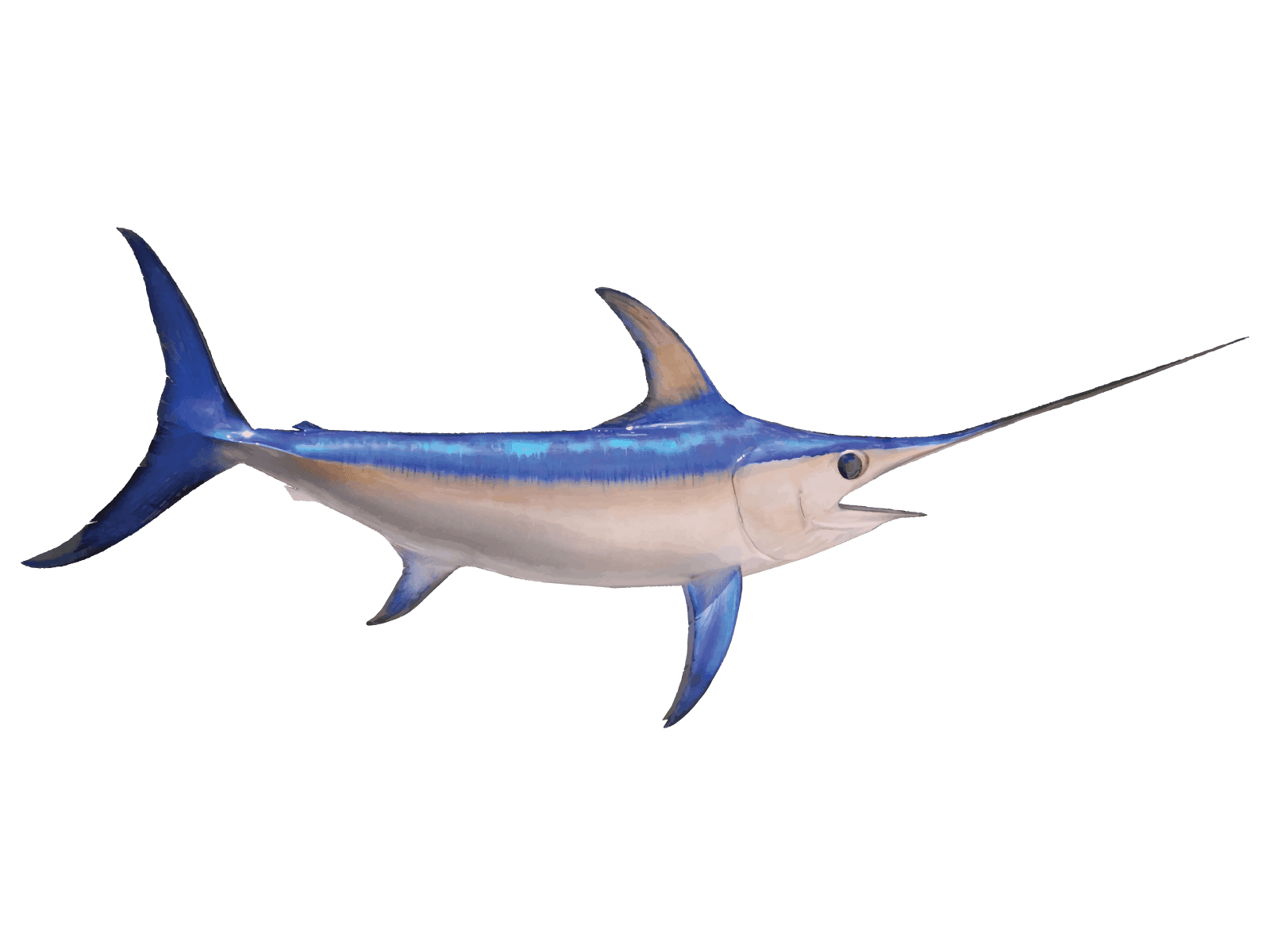
 Swordfish
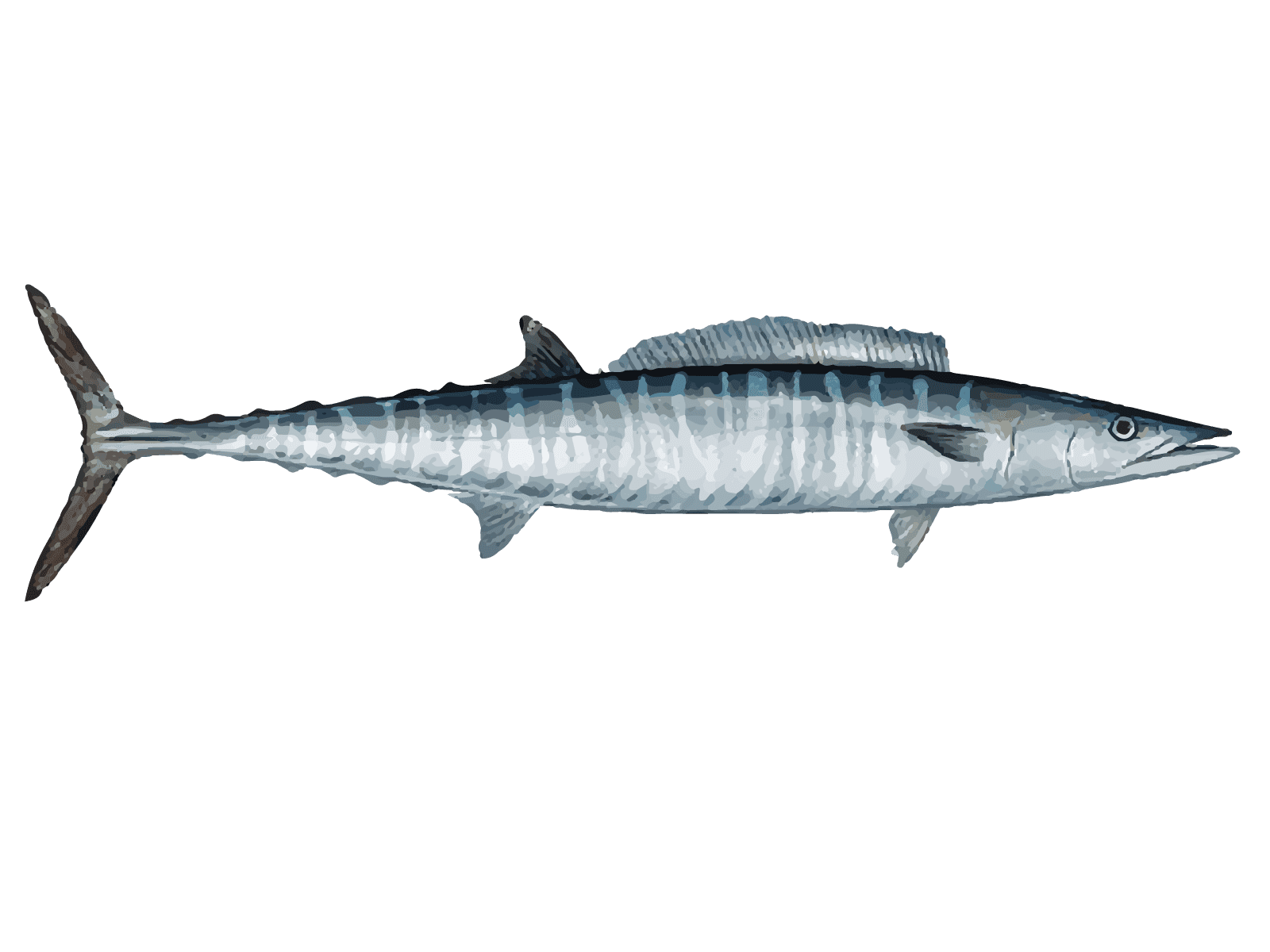
 Wahoo Fish
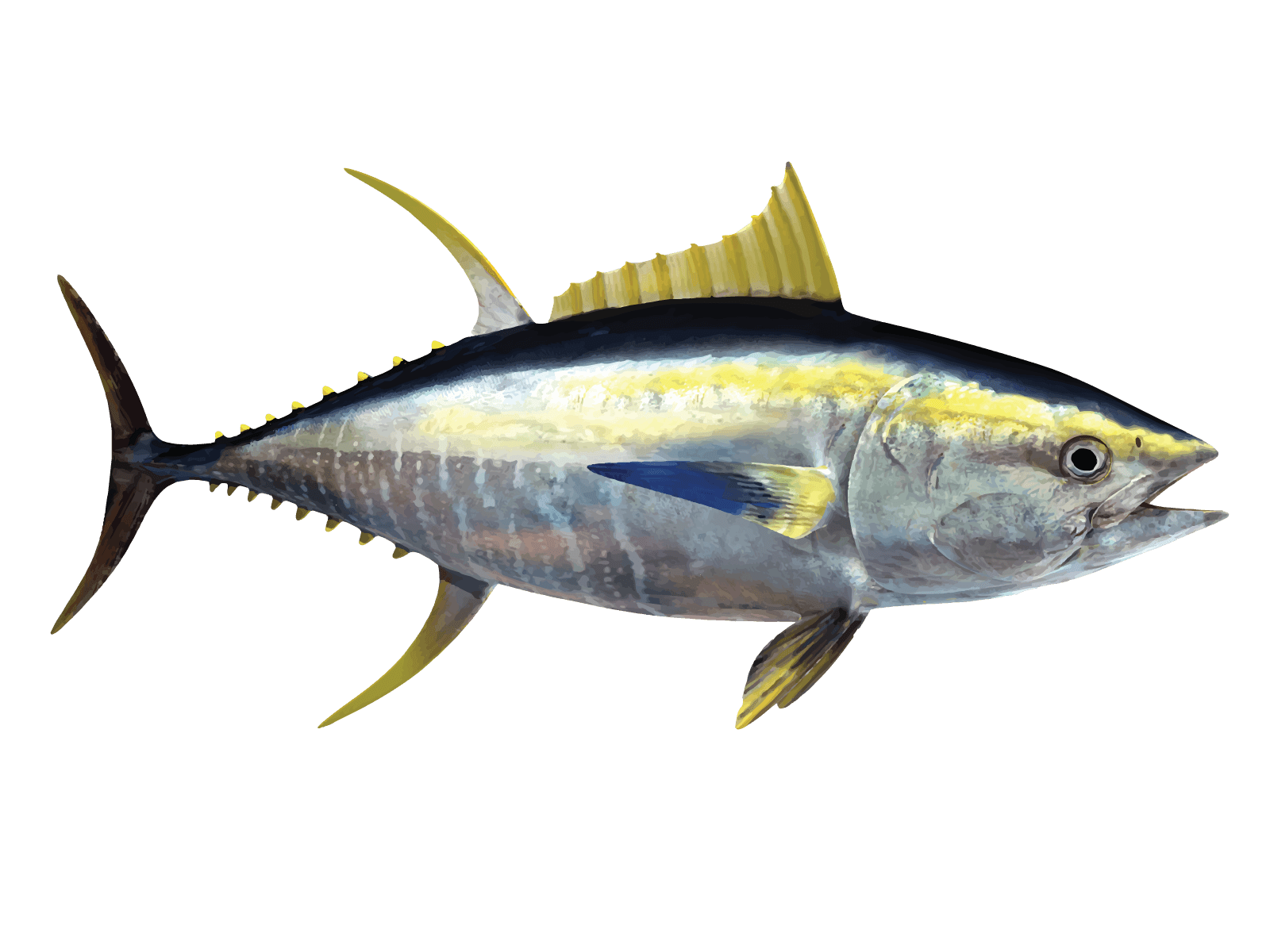
 Yellowfin Tuna
- This full-day offshore fishing trip takes you 12 miles out to Grand Cayman's most productive deep waters aboard Morning Spirit, a well-equipped 34' Crusader. Captain Omar draws on generations of local Cayman fishing knowledge to put you on wahoo, yellowfin and blackfin tuna, mahi-mahi, and barracuda. If you're up for it, you can even target marlin or swordfish. The boat handles up to 6 guests comfortably, and everything's included except lunch
- all your tackle, bait, ice, drinks and snacks are provided. You'll spend the day trolling and drifting the 12-Mile Bank, one of the best fishing spots around the island. It's as complete as deep sea fishing gets in Grand Cayman.
Trip Pricing and Availabilities:
Full Day Deep Sea Fishing in Grand Cayman
When you're ready to leave the shallow waters behind and chase the big fish that cruise Cayman's deep blue waters, Captain Omar and the Morning Spirit crew have you covered. This isn't your typical half-day tourist trip – we're talking about a serious full-day offshore adventure where you'll target some of the Caribbean's most prized gamefish. Picture yourself 12 miles out on the legendary 12-Mile Bank, lines in the water as the sun comes up, with nothing but endless ocean around you and some of the best fishing grounds in the Caribbean beneath your feet. The 34-foot Crusader gives you the stability and range to reach the productive waters where the big fish live, and with Captain Omar's family knowledge passed down through generations of Cayman fishermen, you're getting insider access to spots that most visitors never see.
What to Expect on the Water
Your day starts early – that's when the fish are most active and the conditions are typically at their best. Captain Omar will have the Morning Spirit prepped and ready, with all your gear, fresh bait, and plenty of ice already on board. The boat handles the offshore conditions beautifully, giving you a stable platform whether you're trolling at speed or drifting over structure. We'll head straight for the productive deep waters, often making our way to the famous 12-Mile Bank where the bottom drops off dramatically and creates the perfect environment for pelagic species to hunt. The crew provides all your fishing gear, high-quality tackle that can handle everything from fast wahoo runs to the long fights that come with hooking into a nice yellowfin. You'll want to bring your own lunch since we'll be out there all day, but we've got you covered with bottled water, soft drinks, and snacks to keep your energy up between fish. With space for up to six anglers, there's room to spread out and everyone gets their shot at the action.
Trolling the Deep Blue
The beauty of fishing Cayman's offshore waters is the variety of techniques that work depending on what we're targeting and what the conditions are telling us. Most of the day you'll be trolling – running a spread of lures at different depths and distances behind the boat as we cover water looking for active fish. Captain Omar reads the water like a book, adjusting speed and direction based on current lines, water color changes, and bird activity. When we mark fish on the sounder or spot working birds, we'll often switch to drifting and dropping baits down to specific depths. The tackle setup varies depending on what we're after – lighter spinning gear works great for mahi-mahi when they're up in the water column, while the heavy trolling rods with 50-pound class reels are what you'll want when a big wahoo decides to make a run. If you're interested in targeting marlin or swordfish, just let the captain know ahead of time so he can adjust the game plan and bring the appropriate heavy tackle. The 12-Mile Bank creates upwelling that brings baitfish up from the depths, and that's what draws in the gamefish we're after.
Top Catches This Season
The mahi-mahi fishing around Grand Cayman is some of the most consistent in the Caribbean, especially when you know where to look. These fish love floating debris, current lines, and the upwelling around the banks. What makes mahi special is their willingness to bite and their acrobatic fights – they'll jump, tail-walk, and put on a show that gets everyone on the boat excited. Most of the mahi you'll encounter run between 10 to 25 pounds, perfect eating size, and they often travel in schools so when you find one, there are usually more around. The best action typically happens during the warmer months when the fish are most active, but Captain Omar knows the seasonal patterns and can put you on fish year-round.
Wahoo are the speed demons of Cayman waters, and hooking into one will test your reflexes and your tackle. These fish can hit a trolled lure at 40+ mph and make blistering runs that will have your reel screaming. They're typically found along drop-offs and current edges, which makes the 12-Mile Bank prime wahoo territory. A good-sized wahoo can go anywhere from 20 to 60 pounds, and they're incredibly good eating with firm, white meat that's perfect on the grill. The key to wahoo fishing is having your drag set right and being ready for that initial run – they're notorious for breaking off if you're not prepared.
Both yellowfin and blackfin tuna cruise these waters, and each species offers its own challenges. Yellowfin are the larger of the two, with fish ranging from 20 to 80+ pounds not uncommon. They're strong, steady fighters that will test your endurance, especially when you hook into a larger fish in deep water. Blackfin tuna are smaller but incredibly fast and aggressive, usually running 5 to 15 pounds. Both species are excellent eating and highly prized by local chefs. The tuna bite often picks up when you find schools of flying fish or other baitfish, and Captain Omar knows how to read the signs that indicate tuna are in the area.
For those looking for a real challenge, marlin and swordfish can be targeted with advance notice. Blue marlin pass through Cayman waters throughout the year, with fish ranging from smaller 100-pound fish up to true giants. Swordfish are a specialized fishery that requires specific techniques and timing, but the reward is hooking into one of the ocean's most unique predators. Both species require heavier tackle and different techniques than the other gamefish, which is why advance planning helps ensure you have the right setup.
Time to Book Your Spot
This is hands-down one of the most complete deep sea fishing experiences you'll find in Grand Cayman. Captain Omar's local knowledge, combined with a well-equipped boat and access to some of the Caribbean's best fishing grounds, gives you
Learn more about the animals
Blackfin Tuna
Blackfin are the scrappy little cousins of the tuna family, but don't let their size fool you - these 10-25 pound fish fight way above their weight class. They're dark with bronze highlights and that distinctive yellow stripe. You'll find them in schools around structure and current lines, usually in the top 100 feet of water. Best fishing is fall through spring when they're thick around the islands. Anglers love them because they're aggressive, great on light tackle, and make outstanding eating - rich, red meat that's perfect for searing. They're also smart with sharp eyes, so you need to scale down your gear. Try 30 lb fluorocarbon leaders with 5/0 circle hooks. Live pilchards work magic when you can get them fired up.
Mahi Mahi or Common Dolphinfish
Mahi are some of the most colorful fish you'll see out here - brilliant gold sides with electric blue and green backs that put on a light show when they come out of the water. Most run 15-30 pounds, but we've seen them push 50+. They love hanging around floating debris and weedlines in the warm surface waters, especially during our peak season from spring through fall. What makes them special is the combination of a solid fight, stunning looks, and some of the best eating you'll find. The meat is firm and mild - perfect for the grill. Pro tip: when you hook one, keep the boat moving toward any floating stuff nearby. Mahi travel in schools, so where there's one, there's usually more waiting.
Swordfish
Swordfish are the ultimate deep-water challenge - massive fish averaging 100-200 pounds with that unmistakable flat sword. They live in the deep, typically 800+ feet during the day, coming shallower at night to feed. Peak season runs spring through fall when water temps are right. These are special trips - usually night fishing with heavy tackle and serious commitment. What makes them legendary is the combination of size, fight, and rarity. Landing one is a real achievement. The meat is dense and flavorful, nothing like store-bought. Key technique: we'll drop squid baits deep with lights to attract them up from the abyss. Use 80-120 lb tackle minimum - you never know when a 300-pounder might grab your bait.
Wahoo Fish
Wahoo are built for speed - we're talking 50+ mph bursts that'll test your drag system. These sleek predators typically run 20-60 pounds around here, with that distinctive blue-striped silver body and razor-sharp teeth. You'll find them in open water, often around the 12-Mile Bank where the deep water provides the baitfish they hunt. Best action comes during the cooler months when they're most active. What draws people back is the explosive strike and that first screaming run - pure adrenaline. Plus, the meat is outstanding, flaky and mild like premium white fish. Here's the key: run your lures fast, 12-15 knots, and always use wire leaders. Those teeth will cut through mono in a heartbeat.
Yellowfin Tuna
Yellowfin are the heavyweights of the tuna family - thick, powerful fish that average 40-80 pounds but can push well over 100. You'll recognize them by those bright yellow fins and that classic torpedo shape. They roam the deep blue water in the upper 300 feet, often around current breaks and temperature changes. Peak season here runs through the warmer months when baitfish are thick. What keeps anglers coming back is the raw power - these fish can strip line like nothing else, plus the meat is top-shelf sashimi quality. They're also smart, so you need to stay sharp. My advice: when you mark fish deep but nothing's hitting the spread, switch to vertical jigs. Sometimes they're feeding down there and won't come up to the trolling baits.
About the Morning Spirit
%2F%2Fusers%2Fd8ad1360-bdab-4690-a97d-afad24e84079%2Fvehicle_picture%2Fmorning-spirit-1255.jpg&w=1920&q=75)
Vehicle Guest Capacity: 6
Manufacturer Name: Yanmar
Maximum Cruising Speed: 30
Number of Engines: 1
Horsepower per Engine: 315